
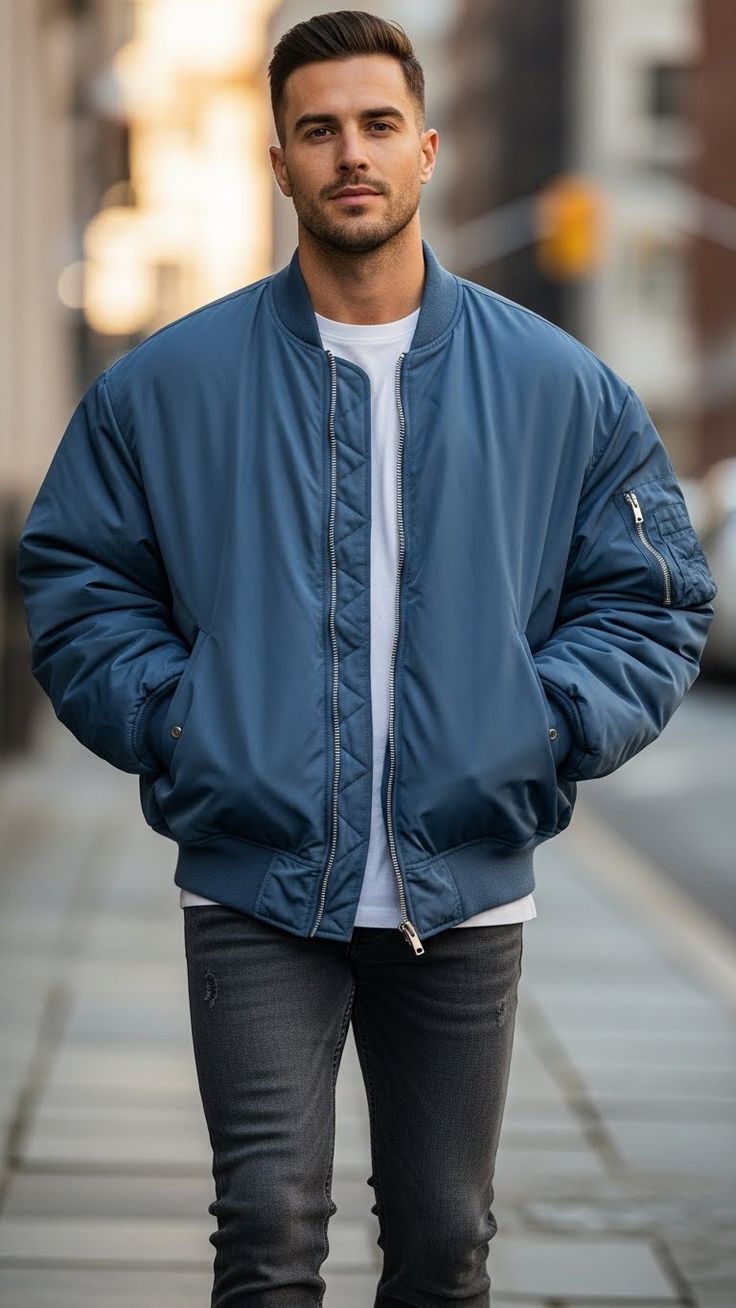
Behind every garment hanging neatly in a wardrobe lies a process far more intricate than most people imagine. What appears as a simple dress, blazer, or pair of jeans is the result of research, creativity, precision, testing, refinement, and collaboration.
Fashion is often perceived as surface-level beauty. In reality, it is a disciplined journey — one that begins with an idea and evolves through multiple stages before becoming something tangible.
Understanding this journey deepens appreciation for craftsmanship and reveals why thoughtfully made clothing holds greater value than mass-produced alternatives.
Inspiration and Concept Development Shape the Foundation
Every fashion piece begins with inspiration. This spark may come from architecture, art, cultural movements, everyday life, or even a single texture or silhouette observed in passing.
Designers do not simply replicate trends. They interpret visual stimuli and translate them into wearable concepts. Mood boards emerge first — visual collages combining colors, fabrics, shapes, and references that capture the emotional direction of a collection.
At this stage, the focus is not technical. It is conceptual. What feeling should this garment evoke? Strength? Ease? Sophistication? Freedom?
Clarity of vision determines the coherence of the final result.
Market Research and Consumer Insight Refine Direction
Creativity alone is not enough. Fashion exists within a marketplace, and understanding the audience is essential.
Design teams analyze customer behavior, seasonal demand, purchasing patterns, and lifestyle needs. This research helps determine whether an idea aligns with real-world application.
Questions guide refinement:
- Is this silhouette practical?
- Does the target customer need this piece?
- Will it integrate seamlessly into existing wardrobes?
The strongest designs balance artistic expression with functional relevance.
Sketching and Technical Design Translate Vision into Form
Once the concept is defined, designers begin sketching. Hand drawings or digital renderings outline proportion, seam placement, neckline shape, and overall structure.
However, a fashion sketch is only the beginning. Technical design follows.
This stage includes detailed measurements, construction notes, fabric specifications, stitching instructions, and finishing requirements. These documents ensure that manufacturers understand exactly how the garment should be built.
Precision becomes critical here. Minor miscalculations in structure can alter fit dramatically.
Design transforms from abstract idea to engineered blueprint.
Fabric Selection Determines Performance and Character
Material choice is one of the most defining decisions in the journey.
A single silhouette can feel entirely different depending on fabric weight, texture, and flexibility. Structured cotton creates crisp lines. Fluid silk drapes softly. Wool adds warmth and shape retention.
Designers evaluate not only aesthetic appeal but also durability, breathability, maintenance requirements, and environmental impact.
Fabric testing may include:
- Wash resistance
- Colorfastness
- Shrinkage measurement
- Stretch recovery
The goal is to ensure that the garment performs as beautifully as it looks.
Pattern Making Creates the Structural Blueprint
Patterns convert design sketches into precise templates.
Pattern makers use measurements to construct flat paper or digital patterns representing each component of the garment. These templates determine how pieces of fabric will be cut and assembled.
Accuracy at this stage is essential. A misaligned pattern can distort proportion, affect movement, or compromise comfort.
This step bridges imagination and engineering.
Sample Creation Brings the Concept to Life
The first physical version of the garment is known as a sample.
Cutters use the pattern to shape fabric pieces. Skilled technicians stitch them together according to the technical design instructions. The result is a tangible prototype.
Rarely is the first sample perfect.
Fit inconsistencies, fabric behavior, seam tension, and structural adjustments often require revision. Designers examine the piece from multiple angles, test mobility, and evaluate balance.
Iteration is part of refinement.
Fittings and Adjustments Ensure Proper Fit
Fittings are critical checkpoints in the process.
Models wear the sample while designers assess alignment at the shoulders, waist, hips, and sleeves. Movement is observed — sitting, walking, bending.
Feedback from this stage often leads to pattern adjustments. Hemlines shift. Seam allowances change. Necklines refine.
Fit defines comfort and confidence. Without careful testing, even a visually appealing design may fail in practice.
Production Planning Balances Quality and Efficiency
Once the final sample is approved, production planning begins.
This phase includes:
- Estimating quantities
- Securing fabric supply
- Scheduling manufacturing timelines
- Coordinating logistics
Maintaining quality at scale requires organization and oversight. Communication between designers, production managers, and manufacturers must remain consistent.
Scaling without compromising standards is one of the industry’s greatest challenges.
Manufacturing Transforms Blueprint into Collection
Manufacturing involves cutting, stitching, assembling, finishing, and quality checking.
Large rolls of fabric are carefully layered and cut according to patterns. Skilled operators assemble garments using industrial sewing equipment. Labels, trims, and packaging are applied.
Quality control teams inspect each batch for construction flaws, uneven stitching, fabric defects, or sizing inconsistencies.
Consistency protects brand reputation.
Quality Assurance Protects Brand Integrity
Before distribution, garments undergo inspection.
This stage verifies:
- Stitch strength
- Proper alignment
- Color consistency
- Measurement accuracy
- Fabric durability
Random sampling helps identify defects before items reach customers.
Quality assurance ensures that what arrives in-store or online reflects the original design intention.
Distribution and Retail Presentation Complete the Journey
Once produced, garments are prepared for distribution.
They are packaged, labeled, and transported to warehouses, stores, or fulfillment centers. Visual merchandising teams style pieces to reflect brand identity and communicate collection mood.
Presentation influences perception. Lighting, spacing, and styling choices contribute to how the final product is experienced.
From idea to physical product, the process comes full circle.
The Emotional Moment When Product Meets Customer
The journey does not end at retail.
The final stage occurs when someone selects the garment, tries it on, and feels aligned with it. That emotional connection validates months of creative and technical effort.
A fashion piece becomes meaningful when it integrates into daily life.
The transition from concept to wardrobe completes the story.
Sustainability Considerations Throughout the Process
Modern fashion must consider environmental responsibility at every step.
From fabric sourcing to waste reduction during cutting, sustainable practices increasingly shape production decisions.
Thoughtful brands evaluate:
- Ethical labor standards
- Responsible material sourcing
- Reduced overproduction
- Durable design to limit waste
Sustainability strengthens long-term viability.
Collaboration Makes Creation Possible
No fashion piece is created by one person alone.
Designers, pattern makers, sample technicians, fabric suppliers, quality inspectors, production managers, and logistics teams all contribute.
This collaboration transforms individual ideas into collective achievement.
Understanding this teamwork fosters deeper appreciation for well-made clothing.
Why This Journey Matters
Recognizing the journey behind a garment shifts perspective.
Clothing is not merely a commodity. It is the result of layered expertise, experimentation, and refinement.
When brands prioritize thoughtful creation over rapid output, the difference becomes visible — and wearable.
Every well-crafted fashion piece carries a story of process, precision, and purpose.
From idea to product, the journey defines its true value.